Wellness Sultana: fitness //]]>
Showing posts with label fitness. Show all posts

Tuesday, 26 March 2013

Healthy Food for the Sweet Tooth – No Need to Deprive Yourself
March 26, 2013 7 Comments

"Do you always have that urge to shop for chocolates and candies?"

"Can’t you resist those yummy cakes and doughnuts?"

"Would you rather drink a delightful vanilla milkshake than green tea?" 

If you answered YES to all my questions, then probably you have a sweet tooth.

As much as you want to satisfy your cravings, it is important to take note that sweets aren’t what your body needs. Too much of it may cause diabetes. Don’t fret my fellow sweet tooth. You don’t have to deprive yourself. In this post, I will give you a short list of healthy things which you can do, but would still satisfy your urge to gobble sweet munchies.

Exchange your cakes for fruits. Fruits, as most of us know, are a natural source of sugar. Let me add that it’s healthy sugar that we get from fruits. After eating your dinner, you might want to have a serving of fresh fruit. That’s better than eating a slice of cake.

Say NO to ice creams and yes to yogurts.Would you like something cold and sweet? Maybe you are thinking about getting your favorite ice cream. Hold that thought! It would be better if you have yogurt. You see, there are a lot of flavors to choose from. I say, guilt – free treat for yourself. Well, you better choose the low – fat ones, OK?

Care to have some smoothies? Get your blender and start putting delicious fruits all together. It’s best for killing the afternoon heat. You don’t have to add sugar. As I have said, fruits are source of natural and healthy sugar.

Practice small servings. I’m aware that it’s really hard to totally eliminate sinful sweet foods from your system. The good news is, you don’t have to do it right away. What you can do is to just have smaller portions of your favorite desserts. Instead of having a slice of cake, why not have half a slice? If you want to treat yourself for an ice cream, get the smallest cup.

Make a hot chocolate. There are a lot of low fat or non – fat chocolate mixes to choose from. A cup should be able to satisfy your urge to eat sweets. Sip a hot chocolate drink in the morning and you’d be pumped up for the rest of the day.

It is very important that you take care of your health, without really depriving yourself of what you want. The keyword is moderation and discipline. You can eat sweet foods but make sure that it won’t take up your entire diet.

Author Bio
Hillary Stor loves to eat, but sees to it that she has the healthiest options. As a health buff, she is aware of the importance of vitamins. In fact, she writes for a page where people can get medicines online. Check out this Accessrx review for more. 
Reading Time:

Wednesday, 3 October 2012

Overtraining: The Worst Addition to any Workout Program
October 03, 2012 3 Comments

Are you overtraining? I will guess that your automatic answer will be 'No' but did you even think about the answer before you said it? Overtraining actually affects far more people than is generally realized. In fact, many people aren't getting the maximum benefit from their workout programs because of regular states of semi-overtraining.

Why does this happen?

Overtraining Basics

First of all there are no clear cut boundaries or rules for overtraining. It's not like you can say, "Oh I worked out 5 times this week for a total of 10 hours therefore based on my bodyweight and age I am not overtrained. It is a direct result of everything that your body is currently dealing with along with workouts such as stress, sleep, food, and injury or sickness.

Generally speaking many of us try and do too much. We push as hard as we can and then hit a wall. This happens in many facets of life where we feel we can do anything with the right attitude and overcome any limitations. But in the case of overtraining, you can't.

When you get to a state where your body can't fully recover there is no mental 'pep talk' that you can give yourself to make it better. You body needs one thing and one thing only; rest. The recovery system has been overwhelmed and now can't catch up which creates a vicious cycle. Yes, you see videos of elite athletes pushing themselves continually and saying you have to 'want it' but what you don't see is the chef preparing their food, the 8 hours of sleep they get every night, or the post workout massage and protein shake they enjoy.

Your body needs rest and you can never get around that.

Let's Be Honest

Do you get enough rest? Per numerous studies the majority people either get too little sleep or not restful enough sleep. That means your body probably doesn't have the time to go through a proper rest and recuperation phase (which is also where muscle strength and growth gains come into play). Maybe it was a rough week at work or you had projects to do. Obviously you want to be healthy so you won't skip out on the gym; instead you skip out on some sleep and drink more coffee the next day.
But that only increases the problem.

Avoiding Overtraining


What is the easiest way to always avoid overtraining? Add an extra day of rest to your schedule each week. Many people get overly concerned that they will lose valuable gains in muscle and weight loss from taking a day off. But the body functions better and more efficiently when well rested compared to when stressed. Do you know how you feel after a great vacation where you have a few days of getting full nights of sleep? That is your body responding with a higher level of energy because of the rest.

So take that attitude about your weekly schedule. Give yourself an extra rest day and instead of filling up that time you would spend at the gym with chores give yourself a break. Go to bed earlier or relax and read a book.
Also pay plenty of attention to your diet. Proper fuel is always vital for a body to be able to recuperate and recover. If you train hard then you should expect to also rest hard and recover hard if you truly want the best results.
..............................................................................................................................................................

Visit us at Nutribomb Nutritional Supplements for bodybuilding information like, what are the best protein supplements to help you make the muscle gains you are looking for. You can also keep up with all of our latest posts on our google plus bodybuilding page.

Reading Time:

Wednesday, 5 September 2012

5 Steps to a Great Workout Playlist
September 05, 20120 Comments
Step One - Choose The Perfect Song That You Can Play While You Warm-up

Before choosing a great workout play list, you should think a little about your workout routine. Since most people start their exercise regimen with warm up exercises, the first song on your workout play list should be a song that is slow and gradually gets faster. By choosing a song that gradually gets faster, you will have an easier time warming up your body and getting your heart to beat faster.


Step Two - Start Selecting Songs That You Like

After you have selected a song that you will use to start your routine, you have to start choosing songs that will motivate you to do your best. Before adding any songs to your play list, think about what songs will work best at helping you get through your entire workout routine. Since everyone has his or her own personal routine, you need to take the type of exercises you do and the length of your routine into consideration.

Step Three - Select Songs That Compliment The Type of Exercises You Like Doing

After you have compiled the songs that you like, then it is time to start narrowing down your song choices and selecting songs that compliment the types of exercises you will be doing. Whether you start your workout with aerobics, on the treadmill or you prefer to give your muscles a workout, you should choose songs that are upbeat and will help you get through your entire routine.


Step Four - Calculate How Many Minutes of Music You Have

After you have narrowed down your list, you want to estimate how long your play list is. If you workout for an hour, you will need one hour worth of music. If your play list is too short, you will need to go back and add some additional music to your play list. Once you are done, you want to choose a song that you can add to the end of your play list that is perfect for bringing your heart rate down.

Step Five - Put Your Play List to the Test The Next Time You Workout

After you have compiled all the songs you think are perfect for your routine, the fifth and final step is to put your play list to the test and play it the next time you workout. After completing your workout, you will know whether you need to make any additional modifications to make your play list better.


This article was written by CompressionStocking.co, the world leader in support stockings.

Reading Time:

Friday, 17 August 2012

5 Common Mistakes You’re Making at the Gym
August 17, 20120 Comments


Have you been pumping your muscles in the gym for some time and have not seen any transformations in your body? It might not be because you need to do more routines and for a longer amount of time; it might be because you are doing your exercises all wrong. Time Magazine lists the top mistakes that gym-goers make.

Going Overboard on Cardio Machines

Having regular cardio exercise is essential to strengthen your muscles and your heart. This is also one of those exercises that can shed off those unnecessary pounds. However, you will not be able to reap its benefits if you are not pacing and using the machines well.

To get the most from your aerobic exercises, you need to decrease time and increase resistance. This means that you need to go for high resistance you can comfortably handle. It would also be helpful if you apply as much diversity to your routine as you can so you can get all your muscles working.

Incorrect Weight Lifting

One common pattern among gym-goers with lifting weights is that men have a tendency to lift weights that are too heavy for them and women go for those that are too light. You might think that the heavier the weight is, the more muscle you gain. However, this is not the case. In fact, you can get big muscle with light weights.

Choose a weight that you can lift 30 times for the first time, then 15 on the next. As you do your lifts, keep your upper back strong with your chest and chin up. Maintain this posture and steadily pace each lift as you do so.


   Failing to Focus on Your Core

You core is that part of your body that is made up of the muscles of your chest, hips, legs, and back. This is one very special part of you that many people fail to pay attention to as they do their exercise routines. A trained eye can easily spot someone who is exercising without paying attention to their core.

Working out with your core means that you are in a “sport-ready position”. This is a position where you can easily and quickly stand from. To do this, hold your abdomen and bend your knees slightly.

Ignoring Unseen Muscle Groups

If you are like most people, you might find yourself focusing all your efforts on your abdominal and bicep muscles. However, you are missing out in strengthening those smaller muscle groups that support and stabilize the larger muscle groups.

Take for example Kegel exercises. This is one of the most neglected exercises and yet strengthens muscle groups in the pelvic floor that are essential for easier childbirth, preventing incontinence, and improving sexual function.

Doing Too Much Too Quickly

If this is your first time getting into a regular routine of exercising, start out slow and short. You should do well with a 30-minute exercise everyday for a few days a week. You can even break this up throughout the day.

When you want to try out new moves or routines, go through it lightly. These might require you to work with new muscles that you have not used before and this might cause injuries.

About the Author:
Kristine is a gym and yoga instructor. She imparts her knowledge on various techniques and tricks to make the best of every workout. In her spare time, she lends a hand in the office administration and blogging activities of Center Networks, who offers web hosting services like justhost
Reading Time:

Tuesday, 14 August 2012

5 Summer Exercise Tips for the Extreme Heat
August 14, 20120 Comments


This summer, many cities across the country have experienced significant heat waves. While people in these cities normally use the summer months as a time to exercise outside, many people are finding the extreme heat has made it nearly impossible. 

While the summer heat has made it quite difficult to exercise, there are five tips that could be followed to make it possible to exercise despite the extreme heat.

Exercise in the morning 

The first tip to follow, to exercise in the heat, would be to exercise early in the day.  While the temperature could easily reach 90 degrees or hotter by afternoon, the temperature does not normally even approach its peak until mid-morning.  If you are able to get up early in the morning, you could always get a run or bike ride in before it starts to get too hot.  Another advantage of exercising early in the day is that the humidity is lower, which also helps to make it more comfortable.

Yoga

If you are looking to exercise in the heat, another option would be to practice yoga.  People spend hundreds of dollars per month at yoga studios to train in heated rooms.  Now, due to the hot weather, you can simulate the same heated exercise for free in your backyard.  If you are looking for guided lessons, many affordable yoga classes are held in public parks across the country during the summer months.

Swim

If you are looking for a good outside exercise in the summer, another option would be to go swimming.  Swimming has always been considered a great form of exercise.  In the extreme heat it is particularly beneficial because a pool, lake, or ocean will always be much cooler than the outside air. This can allow you to stay cool while getting in a great workout.


Stay hydrated

If you choose to do a more traditional workout during the summer heat, the most important tip would be to stay hydrated.  Be sure to drink plenty of water before, during, and after any exercise session.  This will help to prevent you from becoming dehydrated and can also help to prevent muscle strains and other injuries. 

Use moderation

The fifth tip to follow when exercising in the heat would be to exercise in moderation. While you may not get the best workout possible, exercising in moderation will prevent you from overheating.  When exercising, be sure to take plenty of breaks and stop exercising altogether if you start to feel a bit dizzy during the exercise session. 


Written by the health and wellness experts at ezCater.com. Visit ezCater to find and order healthy Baltimore catering.
Reading Time:

Sunday, 29 July 2012

Workout Hygiene!
July 29, 20120 Comments


Gyms are supposed to be the places we go to get healthy, but for many people, it can be a place where they get sick! We have perhaps all heard stories of athletes getting serious, even fatal, staph infections, but those are just the extreme cases. Most often, people who pick up germs from the gym find themselves with athlete’s foot, a cold, or some sort of virus that does less damage, but messes up their routines nonetheless. That being said, paying attention to hygiene at the gym can save you a headache at least, and your life at worst! So if I haven’t scared you too much, let’s see what sorts of measures we can take.


Choose a Gym that’s Clean


Before you begin working out at any gym, you should ensure that it is a clean one. Most gym membership orientations are short and don’t offer much time to really survey the area. If you can, do a trial membership to really scope the place out. Ask about your gym’s sanitation standards and practices, and take notice of how well the staff meets those standards. Ensure that the staff is wiping down machines that members leave sweaty and using sanitizer spray as they do so.


Also, be sure to check the restrooms! A gym is only as clean as its restrooms. Most people don’t think about this, but gyms and kitchens are the worst places to have poor hygiene in the restrooms. If the floors are not clean and there is no soap in the dispenser, there’s a good chance that someone took their business out to the rack of dumbbells you just touched. I’m just saying. A messy bathroom ensures germs of the type that, due to the nature of a bathroom, can probably make you sick. So, look for clean restrooms and ensure that your gym is committed to cleanliness.


Finally, discover what your gym’s rule is about cuts/scrapes. Since gyms are places where people are sweaty, and have lots of contact with surfaces that are touched by others, staph infections are a real danger for those with open wounds. Find out what your gym’s policy is about covering wounds. A good gym will seek to care for its members.


Wipe Everything You Touch


If you expect the gym to be clean, then it is essential for you to be clean as well! Carry at least one sweat rag with you wherever you go (one for wiping machines and the other for wiping sweat from yourself), and it wouldn’t hurt to keep a small bottle of hand sanitizer if your gym doesn’t have public hand sani stations (which most do nowadays). If your gym has paper towel dispensers and cleaner spray stations available then it would be ok to be less strict about carrying your own towel, only make sure that you are minimizing your contact between your face and hands. Remember, as I always say, “A gym can only be as clean as its most irresponsible member.”


Clean Yourself Before Going Home


The locker rooms in most gyms have showers that are there for a reason. Even if you live close by, consider showering at your gym to ensure that you leave at the gym anything you picked up there. Only, to avoid athlete’s foot keep some cheap flip-flops in your gym bag.


Wash Your Workout Clothes Daily


Ok, so I’ve been around gyms and locker rooms for most of my life, and I know there are a few of you out there who really think you can wear the same gym clothes for a week at a time without washing them since you know you are going to just get them dirty again. Gross. You should be ashamed. Unless your idea of a good time is sending a friend request to a staph infection then wash your gym clothes daily (or at least wear a new set of clean ones)! Staph and other types of bacteria love dark and damp places where they can start families and colonies and cultures, and when you choose not to wash your clothes, you become a cross-cultural missionary to everyone in your gym.


So, all in all, gyms are fun and safe places when you stay clean and hold your gym staff to a high standard. Most people never get sick at their gym, but sometimes a healthy reminder and mildly funny exhortations about staph can help us in our hygienic journey!


Author Bio: Kevin Wayne writes for Health Testing Centers, which has been offering direct access to health testing for 30 years.

Reading Time:

Saturday, 14 July 2012

6 Easy Ways to Jumpstart Your Energy in the Afternoon
July 14, 20120 Comments
Everyone knows the afternoon is going to bring with it the dreaded Wall. This is when you have hit your first energy peak and are now crashing into the Wall Of No Energy. The rest of your day seems to drag along endlessly. However, there are six easy ways to jumpstart your energy in the afternoon. You just have to be willing to get up and do something about the afternoon crash.

The following tips are the best ways to recharge your energy levels.

cc licensed ( BY NC SD ) flickr photo is shared by Alexander Steinhof


Tip #1 – Get up and Move

For those of you who work behind a desk or a cash register all day, it can be really easy to fall victim to the afternoon energy drain. Health and fitness experts recommend you get up and walk around your desk or the office. This will help to break the monotony of sitting and gets your circulation moving.

Tip #2 – Avoid High Sugar and Caffeine Drinks

Energy, coffee, tea and soft drinks are usually all loaded with sugar and caffeine. They may seem to help with your energy levels for the moment, but will lead you right into a big crash later. Your body does not actually have the energy, it is just being tricked by the substances you are putting in it.

Tip #3 – Choose Vitamin Drinks for Energy

For a true energy boost it is better to pick drinks that are providing your body with energy from vitamins instead of sugar and caffeine. Your body will digest and absorb the beneficial vitamin and convert it into lasting energy without the crash later.

cc licensed ( BY NC ND ) flickr photo is shared by 1D110


Tip #4 – Don’t Skip Breakfast

One sure way to hit the Wall is by skipping breakfast. Eating a well-balanced breakfast will keep your body running throughout the day. However, your breakfast should not be a doughnut and a cola drink. You should include whole grains, protein, fruit and vegetables. For example, a breakfast consisting of a vegetable egg white omelet and a small bowl of oatmeal with fresh blueberries should keep you going until lunch.

cc licensed ( BY NC ND ) flickr photo is shared by NYC.andre


Tip #5 – Snack Healthy

Another way to jumpstart your afternoon energy level is by choosing the proper snacks. Candy and chips will not cut it. They are only empty carbs and are only a temporary fix. Pick healthy options that are loaded with nutrients such as nuts, honey sweetened granola and even low fat cheese.

Tip #6 – Get Your Energy Rest

Many people like to call it, “Getting your beauty rest.” However, sleeping seven to eight hours at night will help to keep your body energized all day. Also, if you have a place to sneak it in, a five to ten minute power nap can make a huge difference as well.

This article was written by the people at JustRopes.com, the online leader in climbing equipment, cords, and ropes.

Reading Time:

Friday, 13 July 2012

Just 15 minutes walking per day extends life expectancy
July 13, 20120 Comments

How a 15 Minute Daily Walk Can Extend Your Life Expectancy If you are looking for an easy, drug-free way to extend your life expectancy while improving your overall health and wellness, a simple 15-minute daily walk can be your ticket to longevity. 


According to a recent report by researchers in Taiwan, study participants who walked about 15 minutes a day at a leisurely pace experienced a 14 percent reduction in their overall risk of mortality when compared to non-walkers. The study, published in the October 2011 issue of The Lancet  followed nearly half a million Taiwanese men and women between 1996 and 2008.


Researchers tracked the amount of self-reported exercise the participants engaged in, comparing exercise frequency and intensity with mortality rates, risk factors and life expectancy. Both men and women who reported walking for an average of 15 minutes daily enjoyed a life expectancy that was 3 years longer than study participants who did no exercise at all. 


The Swiss Stair Climbing Study


The life-extending benefit of low-intensity daily exercise was also shown by a Swiss study that asked participants to simply take the stairs rather than ride the elevator at work for a period of 12 weeks. During that time, study participants experienced a marked improvement in their overall fitness levels including reduced blood pressure levels, lowered body mass index readings and increased lung capacity. At the end of the 3 month study, participants had improved their overall fitness level to their point where their risk of a premature death was cut by 15 percent.


Other Benefits of Daily Exercise


While most doctors, physiologists and fitness professionals recommend at least 30-45 minutes of daily physical activity for optimal health and wellness, simply doing 15 minutes of low-impact, moderate exercise is clearly worthwhile. In addition to the extended life expectancy that the Taiwanese study attributed to short daily walks, low-volume, low-intensity activities like walking offers a host of physical and physiological benefits.


Exercise has been linked to a strong immune system, thanks to the increased circulation and white blood count that are the result of aerobic workouts. Daily exercise has also been proven to help reduce chronic stress, managing the way the body excretes stress hormones that can cause inflammation leading to cardiac disease, arthritis and weight retention. 


Finding Time For A 15 Minute Daily Walk 


For some people, taking a short walk after dinner has become a lifelong habit, while others head straight to the couch or their favorite lounge chair after a meal. While finding time to exercise can be challenging, with a little creative thinking, everyone can fit a 15 minute walk into their day. 


Look for opportunities to squeeze some moderate physical activity into your daily schedule. Simply parking at the furthest spot from a store entrance rather than jockeying for a spot next to the door will force you to take a few extra steps. Follow the example of the Swiss study by taking the stairs instead of riding the elevator, or walk to do short errands instead of driving. By adding just 15 minutes of exercise into your daily schedule you too can enjoy a longer, healthier life. 


About the Author: Warren Keith Nietes enjoys discovering and writing about new developments that greatly concern health and wellbeing, particularly those that are related to proper diet and exercise. During her free time, she helps in the blogging and administration activities of hostgator dedicated hosting site. Watch out for her next post for more new health discoveries.
Reading Time:

Saturday, 9 June 2012

Core Training 101
June 09, 20120 Comments
Core Stability has become a very hot topic and with good reason. Really it has only been since the 1980's that serious research has been done in the area. Overall the results have been rather astounding and should be considered a bit revolutionary in regards to fitness, health, and athletics.

Generally speaking the spine is a rather weak point for the human body, when you consider the range of motion we constantly put ourselves through. Twisting, bending, or even maintaining a straight position while supporting large amounts of weight can put a lot of pressure on a small point along our spine. The worst thing about it is that an injury can develop gradually without much of a warning until suddenly something slips out of place.

Personally I had this exact thing happen to me. While I worked out regularly and played sports, I never focused very much on 'core stability'. Then one day when I was running, I stepped down off a curb and the impact of my foot on the pavement sent a jolt up to my spine. The next day I couldn't walk. From a big picture standpoint my injury was not that major and I was fully recovered in a few weeks. But the fact that I was so vulnerable to such an injury by doing something so simple caused a lot of concern.

Since that injury many years ago, core training has been a staple of my routines and I have not suffered any sort of back injury since then.

core stability
by Ulf Liljankoski 

Core Basics


The core is comprised of all the muscles in the trunk area of the body. Everything that wraps around the midsection and supports the spine should be considered part of your core. Far too many people, myself included, simply focused on abdominal work and occasional lower back work. But that creates an imbalance in the core muscles. You need to have a relatively equal level of strength to create proper balance in the entire core which means working everything regularly.

All of these muscles combine to make a bridge between your upper and lower body. The bridge needs to be strong in all areas including connectors to the hips. Aside from preventing an injury, a strong core helps your balance, strength, and stability. Athletes from all types of sports have learned that a great core increases their performance in numerous ways. This added functionality helps in everything we do including keeping good posture.


Core Training


Ideally core training is very functional. It incorporates twisting, bending, stretching, and working the entire trunk regularly in variety of angles and positions. Personally I don't just train abdominals anymore. I do core exercises on 'Ab' days and constantly shift the exercises I do for variety. Then I target the lower back muscles on back day to go with deadlifts and other exercises.

It is highly recommend by fitness professionals that you should switch from doing just basic abdominal work to instead incorporating a regular core training routine that should be done at least twice a week. There are plenty of sample core routines you can find on this site. With an overwhelming amount of benefits from having a stable core, there really is no good reason not to include it in your regular training routine. On top of everything else, a well toned core is much shapelier and visibly appealing beyond what you get from just working your abdominals.


Nutribomb Bodybuilding Supplements provides the best training and fitness information available on the internet.

Reading Time:

Sunday, 3 June 2012

How to Optimize your Muscle Workout
June 03, 20120 Comments

One of the main reasons people go to the gym is to develop some muscles. Developing muscle fibre isn't as easy as one might expect. Without proper knowledge you could be wasting your time in the gym. Every weight trainer should  know how to maximize their muscle growth.

This article highlights some tips you should know before you start your muscle-making workout. These instructions will give you an understanding of how to utilize your time at the gym and what to consume so that you can get the perfect figure you have always desired.

To get your body energized, you must work on your body’s major muscles. This can be done with workouts like squats, dead-lifts and pull ups. These exercises are used the least by most gym users. They are a little more difficult than the others and require harder work, so they get the smallest amount of consideration from the weight trainers. Most weight lifters want to build up their visible muscles, such as their triceps and biceps. As a result, they wind up over training these muscles while not focusing on their major muscles, like the chest.


When you train your larger muscles, the smaller muscles automatically get a workout, so there is no need to work on them as intensely as your larger muscles. Also, there is often a fear of overtraining the minor muscles. This may lead to a further setback on days when you might not feel like going to the gym. Your muscles will become sore and you would have wasted your time.

Another Important factor in muscle building is your diet composition. Your body needs proper amounts of proteins, carbohydrates and fats. Proteins are generally considered as the main nutrition in gaining body muscles. Most of the nutritionists recommend eating more proteins, especially on a workout schedule.

Fats are generally considered harmful, but they are needed in order for the body to perform properly. This is even more critical when you are regularly training and working your muscles. All you should do is  replace the normal fats with healthy fats, such as Omega 3 foods. Avoid consumption of saturated fats as they do not support your workout.

Carbohydrates are also an important component in muscle growth. They provide the needed energy to burn fat and build muscle.. Also, they help in the healing of  torn muscle fibers.

You should eat about 5 to 6 portions of meals a day to ensure your body is never in starving mode. If your body has no food to break down as energy, it will acquire the necessary energy from your muscles. This is a situation that you do not want to face. Your time at the gym would have been wasted.

Once you have things in order, you will start experiencing muscle gain. Although this can be a slow and time-lagging game, have faith, you will achieve your desired size in no time.

To supplement your gym workout you might want to consider taking either protein shakes or creatine.

What exercises do you do at the gym? Get involved and add you comments below!


Reading Time:

Wednesday, 23 May 2012

Body Hacks for a Longer Life
May 23, 20121 Comments

Who doesn’t want to live a longer, healthier life? Lifestyles that incorporate proper rest, diet and exercise enhance the body’s ability to prosper. Don’t forget the health benefits of wine, chocolate and sex as you lower your blood pressure, stop smoking and increase metabolism. Reading, hobbies and venturing into new activities promote a sharp mind.


70 million Americans carry sleep disorders, 30 million are depressed and one in three adults are classified as obese. Lifestyle change is imperative. Eating naturally helps. Winding down before bed allows you to slip into sleep. Exercising your heart and your head are non-negotiable.


Creativity, simplicity and patience are our friends. Changing eating habits one food at a time elicits confidence. Adopting fresh exercise routines as minimal as walking are life changing. Changing bed time routines from stress and activity to calm set the table for a restful night and promote strength for the next day.
Source: Health Degrees


Reading Time:

Tuesday, 15 May 2012

5 Tasty Foods Under 80 Calories
May 15, 20120 Comments
When you are on a diet or are conscious of the amount of calories that you are consuming at any given meal, you will be on the lookout for tasty foods that have a low calorie count. You can also combine different foods that each has low calories for a different taste and to make your food interesting. Some of the foods that are tasty but have a low calorie count are given below:

Plain Yoghurt and Fruit


You can prepare a snack of pain yoghurt which has a lower calorie count than the flavored one. You can combine it with a small portion of fruits such as a cup of strawberries which is 50 calories or a peach which has a calorie count of thirty calories only. Use plain yoghurt such as the Chobani Greek plain yoghurt which has only 12 calories in four ounces.

All Vegetable Soup


This soup has a number of low calorie ingredients that make for a tasty and filling soup.
Ingredients:
  • 2 cups shredded cabbage
  • 2 carrots
  • 2 cups cauliflower
  • 2 cups broccoli
  • 2 zuchinni
  • 1 red bell pepper
  • 1 onion
  • 2 cloves of garlic
  • 2 cups of swiss chard
  • 1 stalk of celery
  • 2 teaspoons of thyme
  • ½ teaspoon of salt
  • ¼ teaspoon black pepper
  • 1 tablespoon of lemon juice
MethodPut the vegetables, garlic and thyme in a soup pot. Cover the pot and put high heat. When it boils, uncover the pot partly then simmer the vegetables for another 10 minutes. Stir in the parsley, salt, pepper and lemon juice.Remove and serve.

Crackers and Cheese


Use whole wheat grain crackers so that you can reduce the calorie count. You can eat about 10 medium sized crackers with reduced fat cheese not more than three quarter an ounce. This tasty snack is healthy and you will get proteins, calcium and fiber from the whole wheat grain.

Zucchini Noodles


This can be used as a low calorie alternative to pasta and it is tasty as well as filling.
Ingredients:
  • 2 zucchini
  • 2 tablespoons of olive oil
  • 1 tablespoon of black pepper

MethodPeel the zucchini into long ribbon like stripsTake a large skillet and heat it. Add the olive oil and zucchini strips.Saute the zucchini strips for three minutes then season with pepper and salt.Serve with low calorie fresh tomato sauce.

Chinese Hot and Spicy Green Beans


To make green beans tasty, you can use low calorie natural spices which will transform them to spicy
Ingredients:
  • 16 ounces of green beans
  • 1 tablespoon of rice vinegar
  • 2 tablespoons of soy sauce
  • 2 tablespoons of grated ginger
  • 2 tablespoons of garlic
  • 2 tablespoons of sugar
  • 1 tablespoon of sesame oil
MethodMix the vinegar together with the soy sauce, sugar, and the amount of chili flakes that you desire.In a large skillet put a ¼ cup of water and let it boil in very high heat then add the beans and cook for three minutes. Drain any water left then add the sesame oil, garlic and ginger on low heat. Stir constantly until the beans are browned and so that the garlic doesn't burn. Add the soy mixture and cook for another two minutes. Remove and serve while hot.

Daniel Carter is an expert who specializes in skin care and beauty. He writes fro many health websites related to health niche.
Reading Time:

Thursday, 29 March 2012

The Best Leg Workout for Strong Muscles
March 29, 20120 Comments

Combined With Cardio


Whether at home or in the gym, there are numerous leg workouts which you can do in order to strengthen your muscles in this area. One of the more obvious ones which you can do all the time is walking. Although primarily known for its cardiovascular benefits, walking stairs or steep inclines can work wonders for building up leg muscles.

In terms of the gym, a lot of cardio exercises can be tailored to have a real benefit and strengthen your leg muscles. The three main ones are the burning machine, which will work on whichever part of your legs you program it too as well as the buttocks, the cross trainer and the rowing machine. Even 15 minutes on each of these pieces of apparatus three times a week will deliver significant gains in leg muscle strength.


Weight Training


Obviously the quickest way to build muscle mass and strength with leg workouts is by having a strong focus on weight training. Gyms are loaded with equipment which can help you achieve the results you want in relation to your leg workouts.

Take advantage of the trainers who work there too, they’ll be able to give you a great deal of quality advice and direction with regards how best to perform your leg workouts, including intensity and intervals.


Doing It At Home


If you’re not a regular down at your local gym then there’s no need to panic, there are many exercises you can perform at home which will help build muscle and strength with effective leg workouts. There are a wide number of computer programs and mobile apps, as well as DVD’s which provide a wide range of exercises and ideas, some even give simple ideas you can do while sitting at your desk in the office all day.

Try a simple yet effective exercise such as standing squats. Five sets of 20 standing squats three or four times a week will work wonders for the strength and tone of your leg muscles.


The Other Stuff


Obviously working out isn’t the only way to increase your muscle size and strength. You will also need to carefully consider what you eat, as well as making sure you warm up and cool down correctly, in order to gain maximum benefit from the exercises as well as prevent an injury from occurring.

Take some simple steps today and start building those leg muscles with some effective leg workouts.
Videojug is a leading video website specialising in "how to " content. They have a large database of videos including subjects such as leg workouts.

Reading Time:

Thursday, 16 February 2012

Reviewing the Schwinn 220 Recumbent Home Exercise Bicycle
February 16, 20121 Comments
Most people know what it's like to exercise using a traditional bicycle machine, but recumbent technology is the future for home gyms. People appreciate the ability to work out with an added degree of comfort and far less stress on their joints and back. One of the major barriers for many people when it comes to buying a home recumbent bike is the initial cost and size of the machine itself. Thankfully, these machines are becoming much more practical and user-friendly. That means you don't have to sign up to a professional gym anymore to use one regularly, and the Schwinn 220 is something you can bring into your own home at a reasonable price.

Know what to Expect
Make no mistake, this is a serious piece of exercise equipment that requires dedication in order to use properly. You want to make sure that you have realistic expectations so that you don't get too excited about this product only to have it end up in your garage or storage closet a few months down the line. You're still going to have to do the work and this machine will not be some magical answer to your weight loss or fitness efforts. But if you are serious about getting fit or already have a workout plan in place, then the Schwinn 220 could be the best possible addition to your home gym.

Schwinn Reliability
From the get go, you'll see that the Schwinn 220 is built for both comfort and durability. It has a solid frame that can support up to 300 pounds of user weight and a solid frame that is built to last. You'll also appreciate its quiet operation and it's definitely something you can set in front of a big screen TV to keep yourself distracted while you work out. There is also an available magazine rack that you can use to read while you work out.  Assembly of this machine will likely take you less than one hour, but once everything is put in place this bike is easy to maintain and very practical to use.

Customize Your Workout
One of the best aspects about this product is the ability to customize your routine which means it can accommodate people of all fitness levels. Whether you are looking to get back into the action after living a sedentary lifestyle or you're already and exercise enthusiast, you find a way to use the Schwinn 220 four maximum results.

There are 16 different resistance settings and each one is individual enough that you'll notice a difference. You are perfectly free to start off slow and build up your endurance levels, and it feels good to accomplish personal goals related to working your way up. You can also use 12 separate workout programs with the help of the onboard computer and monitor. The computer is useful for keeping track of information related to your work out that you can later use to find tune your exercise plan. You can even come up with your own custom fat loss workouts eventually as you become even more familiar with this bike. This is a quality purchase that will pay for itself eventually if you keep up with regular use and maintain it properly.

Part of a Larger Approach
Whether you’re aiming for fast weight loss or general fitness, this Schwinn model can help you achieve your goals. As part of a general plan for healthy living that includes better food choices, there’s no telling how much value you can get from this model. Affordable, practical, and powerful – Schwinn has come up with a winner.

This review comes to use from rabbitsadvice.com where you can find more information on healthy living with an eye on weight loss. You can find further tips and reviews for other great pieces of home exercise equipment.


Reading Time:

Tuesday, 27 December 2011

The Secret to Lean Muscles Like Track and Field Stars
December 27, 2011 4 Comments

I recently met a few of my fellow Jamaican Olympic athletes, and I must admit I was immediately awestruck by their magnificent physique. It's not that you don’t expect a well-defined, chiseled body—after all, they do work extremely hard at it--but at close range you immediately separate them from us, based simply on their spectacularly lean muscle mass and high level of fitness. 

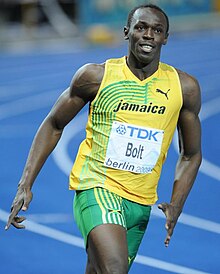
They are, after all track and field stars and they look it. The likes of Bolt, Powell, Foster-Hylton, and Campbell-Brown, are just a few Jamaican athletes with international star power, whose surnames alone sufficiently identifies them. What inspires me most about these athletes is the way they maintain their state of physical and mental conditioning. The discipline and effort involved in honing their talent, staying in shape on-and-off season, and performing at the peak of their game when needed encouraged me to do my own research on their training techniques.

If the results of my regular 30 minute workout could produce the lean contours exhibited in some of these athletes, I would have outdone myself. It made me wonder about persons of average fitness, how long they'd need to “sweat it” in the gym to gain the lean muscles of an athlete?

Guess what, not as long as you'd think! You can get some amazing results with 30 minutes a day of high intensity workout mixed into your regular fitness program. Surprisingly, it doesn't require endless hours at the gym, but you must be willing to commit to a regimen and work feverishly-hard during a 30 minute session.

Lesson #1: Athletes Are Natural Competitors
The first lesson is to have a burning desire to achieve your fitness target and then go for it until you see the results.  Athletes are naturally talented and they all possess one admirable distinction from many of us, a highly competitive nature. They have an innate fire to be the best, a spirited vigor that fuels their appetite to go after gold, and that’s the stuff that creates top athletes in the world.

Brigitte Foster-Hylton made history for women after the age of 30. At the brink of retirement, Foster-Hylton was suddenly heralded to the top. She was the oldest athlete at 34 years to win Olympic gold in Berlin, 2009.

The fastest man on the planet, Bolt, along with several other world-ranking athletes will tell you stories about overcoming obstacles (injuries, demotivated spirit) using inner strength and resilience to be where they are today.

Creating a body like an Olympic athlete requires you to build upon elements of fortitude as the foundation for success. Finding creative ways to motivate yourself will keep you focused and will create the difference between mediocrity and extraordinary achievements. You do get what you put in!

Lesson #2: Mix Your Workout with High Intensity Interval Training (HIIT)
Track athletes train according to their area of specialty. Short distance runners, for example, have to complete sprinting exercises in seconds at maximum effort to achieve fast twitch muscle fibers for high energy and endurance. A sprinter’s ability to transfer power from the feet to the rest of the body requires targeted training. High intensity interval training (HIIT) is the conditioning exercise of choice for coaches.

If you want to look like a sprinter you would have to train like one. HIIT allows you to burn more calories in the least amount of time while targeting specific muscle groups. Areas such as hip flexors, hamstring, quads and core will promote speed, agility and quickness on the track.

This type of work out is not easy and is geared towards persons who have already attained intermediate to advanced levels of fitness. If you are a fan of P90X, the popular exercise program that uses the term “muscle confusion” as part of its marketing slogan, then you have a basic idea of what is involved in HIIT. Your workout is short because at the end of it you are left utterly depleted of energy.

It is not strange for some athletes to get sick and gag during a session, mostly due to the high level of stress placed on the gastrointestinal (GI) system. Training examples may include sprinting/swimming/jumping rope drills at 100% effort with little rest time, along with high-knee skips, bunny hops, and frog leaps to build explosive strength and stamina.

High intensity training produces Excess Post-exercise Oxygen Consumption (EPOC), which essentially means it will rapidly increase your metabolism in just 1 session of maximum effort, allowing your metabolism to remain elevated for up to 36 hours. It is a great addition to a regular strength training program and can be incorporated at least 3 times per week for 30 minutes.

Lesson #3 Nutrition and Energy Boosters
Nutrition and exercise are inextricably linked. You cannot have one without the other and many world class athletes depend on the guidelines of a dietician to help maximize calorie intake to achieve optimum energy output to complete a workout.

To power a track athlete through to a 100 to 200 meter race requires high carbohydrate intake and sufficient glycogen stores. Explosive muscle contractions during a race are fueled with carbohydrates to meet the demands of intense movements.  Protein and fat, though equally important, are not as rapidly oxidized as filling up on dietary carbohydrates.  

Regardless, the majority of an athlete’s food intake still comes from protein with the right balance distributed as 60% protein, 30% carbs, and 10% fat.  Sprinters need a minimum of 1 gram of protein per pound of bodyweight to build and maintain muscles.

Supplements are recommended though not considered essential.  Creatine and glutamine mixes provide a well- deserved boost for pre-and-post HIIT workouts. Creatine helps replenish energy stores lost during high intensity training, while glutamine, a type of amino acid, supports the immune system, builds muscles, and boost fast recovery after a maximum workout.

Olympian Bolt, nicknamed “lightning bolt” is one of a few athletes who does not take supplements, but admits to occasional intake of vitamin C.

Lesson #4 Learn the Principles of Sports Neurology
A new type of training called sports neurology fixates on the role of the central nervous system (CNS) in achieving maximum adaptation to a strenuous workout schedule. It uses a cognitive level of training to condition the mind and body to prevent early fatigue. Improving mental focus is one of the critical components to this scientific based training.  The program includes high tech applications of cold light laser to activate parts of the brain for improved performance.

The cerebellum and diencephalon are 2 very important areas of the brain in CNS training.  When stimulated they allow an athlete to execute outstanding feats as the brain efficiently synchronizes to intense demands placed on the whole body.

Will power and motivational techniques are included within the principles of sports neurology. They are positively related to goal pursuits and are methods that can be matriculated into any challenging workout to lessen fatigue and improve efficiency.

If you want to look like you belong with the track and field stars, then take these lessons from their own workout regimen. To perform these drills without health risks, your level of fitness should be between intermediate to advanced level. For those who feel they are fit for the challenge: it is an excellent way to energize your workout, sculpt your muscles, and achieve allover body conditioning, especially in time for the upcoming Olympics.  
Reading Time: