
December 08, 2012
BY Karen Ashley
10 Comments

Dental implants are one of the most
advanced and effective ways to replace a missing tooth. Unlike bridges or
dentures, implants are a lasting solution for missing teeth because they are
affixed directly to the patient's jaw.
What are Dental Implants and do they cause Sensitivities?
Dental implants are
artificial roots that are made from a bio-compatible metal. Titanium is the
usual choice for the implant because it is one of the metals that is least
likely to trigger an immune response or cause side effects. However, some
implants are made from other materials.
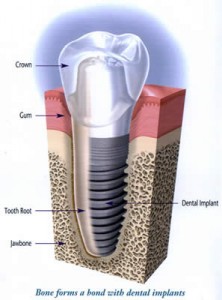
Types of Implants
Implants come in many forms. Endosteal
implants are affixed directly to the jaw bone. Because these are the most
secure form of implants, they are the most often used. These endosteal implants
come in root form or plate form. Root form implants are rounded rods that can
be attached to the jaw bone. These implants are appropriate when the bone is dense
enough to hold the implant. Plate form implants are thin and flat. These
implants are best for thin areas of bone that are not appropriate sites from
strengthening with bone grafts. In some cases, however, the implant cannot be
placed in the bone, for example, when the bone height at the site is not
sufficient to hold an implant. In this case, the dentist may elect to use a
sub-periosteal implant. This implant sits on top of the bone, under the gums.
General Treatment Plan and Procedures
Your dentist will determine which type of
implant to use during your preliminary consultation. He or she will take several
x-rays to examine the jaw bone. The type of implant that your dentist chooses
to use depends on the location of the implant, the height of the bone, and the
width of the bone, among other factors.
Once the dentist has formed a treatment
plan, they will schedule the surgery to place the implant. In some cases, they
will have to place a bone graft before the implant can be affixed to the jaw.
The implant strengthens the bone. After the implant is placed, the dentist will
monitor the healing of the bone and tissues around the implant for three to six
months to make sure that the area has healed completely and that the bone has
healed around the implant.
After the dentist is certain that the bone
and tissue have completely healed, he or she will place the abutment and the
crown. This completes the process of placing a dental implant, and you can now
enjoy your new, complete smile.
If you are interested in learning if dental
implants are right for you, contact your dentist. If he or she does not have
the qualifications to place dental implants, they can refer you to a dentist or
Beverly Hills periodontist who is
skilled with placing them.


