Wellness Sultana //]]>

Sunday, 27 January 2013

Three Benefits To Having A Private Nurse Visit Your Family
January 27, 2013 4 Comments
09-5085-29
Private nursing and home health care is the same as being treated in a hospital or medical setting, but in the comfort of your own home. Depending on your plan and your condition, a private nurse may visit you for several hours a day, multiple times a week, or only for a temporary period of time. There are many benefits to having a private nurse visit your family over an outpatient clinic or hospital setting.

Comfort

Using a private nurse for your family has advantages like being able to enjoy the comfort of your own home while receiving quality care at the same time. You may feel more secure in your home, won't have to worry about forgetting any of your personal belongings and won't be afraid to relax in an unknown environment. You'll also be able to enjoy your privacy and freedom with the healthcare brought to you.

Being in the comfort of your home allows a more personal and customized care plan for you. The nurse will get to know you and your specific needs and preferences on a better basis, and you'll feel more confident and well-rested knowing they're supervising you from a close range instead of making rounds through a hospital or clinic.

Family

Having a private nurse in your home allows you to still receive support and care from your family as well. While hospitals only allow a certain number of visitors per room and have designated hours to see them, your family - whether they live with you or not - will be able to be in the home with you. They may not be able to be by your side every minute of every day, but they can still be around to make sure the day-to-day operations of your home are taken care of. If you live with other members of your family, you can take comfort in knowing they're there for you.

If you're not suffering from a serious ailment or not on bedrest, and have daily responsibilities to take care of within your home or family, you can still do so thanks to a private nurse. Whether it's babysitting grandchildren for a few hours after school each day or completing a couple of household chores, your routines won't have to be altered because you're stuck in a hospital room. You can rest easy knowing your family is there for you while you receive private treatment.

Treatment and Recovery

Because hospital bills add up, those who are being treated in a hospital often have shorter stays than desired or recommended - leaving their treatment or recovery incomplete. But with a private nurse, you can ensure that your progress and treatment are being followed up, whether it's the nurse administering medication daily or monitoring vital signs. They can come on an as-needed basis, which is much less expensive than the daily cost of staying in a hospital bed and receiving that same care. You'll save plenty of money by using your own bed instead.

And while you're comfortable in your own home, surrounded by your loved ones and in a familiar area, studies have shown that your recovery time can be much quicker than when stressed or uncomfortable in a hospital setting. The fact that you're more relaxed in your own surroundings and know you're saving money can make you feel at ease.

Private nursing is a great way to still receive quality care at a fraction of the cost with much more comfort. If you're currently being treated or will need to admit yourself into a hospital soon, consider private nursing for a more affordable, comfortable and intimate experience.
Featured images:

Janice Wheller is a nurse practitioner and guest author at Best RN to BSN, where she contributed to the guide to the Top 10 Best Online RN to BSN Programs.
Reading Time:

Tuesday, 22 January 2013

Transforming Your Smile with Cosmetic Dental Treatments
January 22, 2013 16 Comments


Cosmetic dentistry can provide you with the smile of your dreams. Thanks to advances in dental technology, an experienced cosmetic dentist can correct numerous functional and aesthetic issues. Stains, cracks, chips, gaps and misalignments can all be treated, and smiles can be transformed through smile makeovers or full mouth reconstructions. Patients may simply feel awkward or self-conscious, or they may feel entirely unable to engage socially due to their smiles.

Cosmetic dentistry can restore confidence and improve the self-esteem of those who have struggled with their smiles due to an injury or natural defect.

Incredible Results from Teeth Whitening

Teeth whitening is one of the most frequently used treatments in cosmetic dentistry today. Teeth whitening treatments can enhance your smile and eliminate stains from common substances, such as coffee or nicotine, using a powerful peroxide treatment. In-office and take-home treatments are both available and can provide you with incredible whitening results that can leave you feeling more like flashing your pearly whites at everyone you meet.

Orthodontic Treatment--Cosmetic & Functional

If you have misaligned teeth, your dentist may recommend orthodontic treatments. Orthodontics can serve not just a cosmetic purpose but can also improve the function of your teeth. That’s because teeth that are misaligned can be difficult to keep clean, and they can increase the risk of uneven enamel wear, bruxism and TMJ disorders. Orthodontics can help you achieve a straight, even smile that is not just more attractive but is also healthier. 

Dental Bonding gives a Polished Smile & is Easy on your Pocket

Dental bonding is one of the more affordable treatments in cosmetic dentistry. Your West Hollywood cosmetic dentist may recommend dental bonding if you have small chips, gaps or stains on a tooth. Tooth-colored resin can be used to correct these minor flaws. Your tooth will be prepared using an etching liquid, and the resin will be applied, shaped, cured and polished to match the surrounding teeth. Dental bonding can last from five to ten years.

Stain Resistant Veneers: for a longer-lasting Brilliant Smile

Porcelain veneers can correct numerous aesthetic issues. As with dental bonding, they can correct chips, gaps and stains, and they can improve the appearance of misaligned teeth, small teeth or misshapen teeth. Your dentist can help you determine whether traditional porcelain dental veneers or Lumineers, a special type of no-prep veneers, are right for you. Traditional dental veneers require the removal of a small amount of dental enamel while Lumineers can be applied directly to the surface of the tooth. Both types of veneers are durable, stain resistant and can provide a beautiful new smile that can last 20 years or more.

A comprehensive evaluation can help you better determine your cosmetic dental needs. You can discuss your smile goals and preferences with your dentist, who can present you with your various treatment options and the pros and cons of those options. You may be able to choose from several options or even combine various treatments and procedures for a smile makeover or full mouth reconstruction in order to transform your smile. 

Reading Time:

Monday, 24 December 2012

The Truth About Five Myths of The Human Brain
December 24, 2012 3 Comments

We are lead to believe certain things about the human brain, our brain which is in our skull. How would you feel if you woke up one day and everything you once believed was not true after-all? Well, good morning bright eyes, because today is that day. Although not everything you once knew about the human brain is false, some of it certainly is. It's pretty important to know how something as important as your brain works, don't you think so? Here are the facts about some of those silly myths that have, unfortunately, been engraved into our overworked, under known brains.

1)"We only use ten percent of our brains"

There has been many a rumor that we only use ten percent of our brains. This is most certainly not true. Our brains stay active with most of the capacity in use at all times. Every part of the human brain has its own function. They may not all be used at the same time, but they do have a purpose and they do each get used. Could you imagine if that myth was actually true? We would all most likely be walking in circles. We most certainly would not have computers, let alone smartphones. And multitasking would include walking straight and talking at the same time.

2) "Damaged brains never heal"

Have you ever fallen down and scraped you knee? Is it still gushing blood as you are reading this? Well, just as you skin heals so does your brain. It is also able to heal from trauma just as the rest of your body is. It is just a bit different. Its hidden away so we are not as familiar with all it's workings as we would be a scrape on the knee. It does take longer and a different type of recovery process for a brain to recover from certain types of injuries, like a stroke or a severe physical injury. But it is able to heal over time with little or no permanent damage left behind.

3) "Memory loss is a part of aging"

Yes, we hear it often,"Who are you?" followed with, "Grandpa,it's me." Is this what being older is all about? Precious memories being taken over by confusion and questions? You're in luck, it's just a myth! The human body is a simple equation in it's vast complexity. Exercise and a healthy diet full of Salmon, nuts, berries and dark greens keep us intact. Memory loss seems to be more of a chosen avenue. Take good care of your body and it will help you hold on to all those wonderful yesterdays, as well as adding to them with all the good memories to come.

4) "Drug and alcohol use creates holes in the brain"

No matter what, these things are no good for your brain in any way, but they do not create holes in your brain. What looks like holes when a brain scan is taken, is just inactive spots. If a certain part of your brain is inactive then the neurons are not working there during that moment in time. This is why they do not show up on the brain scan.

5) "You can learn or study better through osmosis"

There have been studies and test done trying to see if this is actually possible. None of the test studies have proven it to be true. Some things are just too good to be true. this means its time for some old fashioned studying; coffee pot on, highlighter in hand, and your nose deep in those big books.

Eli Banks is a psychologist and guest author at www.bestpsychologydegrees.org, a site with guides to top-rated online psychology degree programs.
Reading Time:

Saturday, 22 December 2012

5 Reasons Why Intervention Is The Best Reality Show On TV
December 22, 20120 Comments

Intervention is a reality show on A&E that follows addicts as they indulge in and cope with their problems. The scope of the show is not limited to drug and alcohol dependency. Sometimes the show features an individual who engages in obsessive or emotionally unhealthy behaviors that do not fall within the public's conventional perception of addiction. Even while reality television continues to be reviled as the supposedly lowest form of entertainment, Intervention remains compelling and essential viewing. Here are some reasons why this show is so compulsively watchable.

Real People, Real Problems

The people who are the focus of each episode have been told that they are the subjects of a documentary, so they go about their daily lives without regard for being caught doing unseemly or illegal things. They feel so emboldened and flattered by the documentary set-up that they open up about their personal lives and allow the cameras to follow them wherever they go. The cameras catch them doing things that their friends and family members did not even know about before the show became involved. The effect of all of this honesty on the viewers at home is staggering; these are real people, and they really do these horrible things without thinking twice.

Serious Stakes

A condition of being accepted for the show is that the intervention has to happen. None of the addicts' family members can soften or back out. They have to follow through on threats to kick the addicts out of their homes and stop giving them money. They must sit there and not fight the show's threats to take addicts' children away from them and otherwise coerce them into agreeing to receive treatment. The sober participants in an intervention may even be compelled to reveal private things about themselves in the course of airing the addicts' baggage. The biggest revelation Intervention imparts is that addiction affects whole families, not just the addicts themselves.

Blended Genre

Intervention blurs the line between documentary and reality television. Reality shows place normal people in unusual situations and film their interactions. Documentary shows capture people who are already living uncommon lives without making any narrative or dramatic changes. Intervention does not make any effort to adjust the day-to-day lives of its subjects in the beginning of the filming process, but by intervening it forces a shift that would not have occurred otherwise.

Uncomfortable Truths

People do not want to believe that their loved ones could ever succumb to addiction. They push away the notion of drugs as something foreign to their lives, but Intervention proves that anyone from any walk of life can find himself in a situation that calls for professional help. The blurring of genres extends into real life. Audiences watch Intervention to get a glimpse into the lives of unusual people, only to realize that those people are completely normal.

Entirely Unscripted

Intervention is one of the few unscripted shows that is not contrived to any degree. The producers of most reality shows now freely admit to provoking situations or editing footage in ways that feed into pre-planned storylines. Intervention, by its very nature, is entirely organic. There is no way to create an addict out of someone who does not already have a drug problem, nor is it possible to coax hired actors into the dangerous situations that are commonplace on the show. The honesty of Intervention's production makes it a genuine drama. Viewers cannot expect every episode to end happily because the reality of addiction does not play out that way. Intervention is suspenseful up until its final moments, when it is revealed whether or not the titular interventions were effective.

Jeffrey Goode has contributed to many writings such as How To Become A Substance Abuse Counselor for others who are interested in the rewarding career of counseling.
Reading Time:

Thursday, 20 December 2012

Dealing with the Stress of Relocating
December 20, 2012 3 Comments


Moving can be quite a stressful experience. Relocating internationally can take the stress of relocating to a whole new level. Mental stress can actually lead to physical issues or exacerbate existing issues. This means stress needs to be dealt with, not ignored. There are a few things you can do to help reduce your stress levels as you prepare to move.

If you are moving internationally a part of your stress may be coming from fears of fitting in and understanding a different society, their customs and their language. To help alleviate this stress take the time to find out about the country. The more you know about their language, customs, beliefs and even geography and weather the less alien you will feel. Also, when you move internationally you will be sending all your valuable items with a moving company. 

Many people increase their stress by not choosing a good mover. Remember to do your research, and choose a moving company that is qualified. There are lots of websites life Feedbacq Movers, Intl movers, etc who can help you with the move. Much of this stress will come from an ingrained fear of the unknown so the more you know the less anxious you are going to feel.

Quick Tips For General Stress Relief

For general stress relief try deep breathing. Stress leads to anxiety and anxiety can lead to a pattern of shallow breathing. Practice deep breathing, be sure you are filling your lungs with each breath. You need not do this in an obvious way, just make sure to breath slowly, steadily and deeply. Deep breathing will help set your body, and by extension your mind, at ease.

Another great way to beat stress is exercise. Exercise helps reduce stress in many ways it can release endorphins, a feel good hormone, it can help you regulate your breathing and will help you become more fit and this in turn will help you relax and have a more positive mental state.

Get organized, disorganization will lead to stress. You might not even realize that this is bothering you, it may happen on a subconscious level, but having everything organized and ready to go will help to make you feel better about the move in general and, consequently, take away one of the causes of your stress.

Finally, keep busy. This sounds silly since you are likely quite busy preparing for the move. Keeping your mind busy can help alleviate stress because you have no time to dwell on the issues that are causing you stress. This does not mean ignore what is bothering you, it means think about problems and possible solutions. An idle mind tends to worry and that is going to lead to feed your stress cycle.

Yes, moving internationally is bound to be stressful. You can reduce the stress by doing a bit of research, exercise of mind and body and some simple breathing exercises you can take control of the situation, keep your stress levels low and maybe improve your overall physical and mental fitness.

Author Bio:

Natasha Dogre is an online consultant with iCliniq, an online doctor appointment platform in India. She works with patients and helps them reduce stress and lead a happier life. 
Reading Time:

Tuesday, 18 December 2012

3 Ways to Rev Up your Counseling Career in 2012
December 18, 2012 5 Comments


Counseling is one of the most rewarding jobs. By helping others work through their issues and feel better about themselves, counselors can go home after work and feel great about their jobs. Maintaining one's mental health and reducing stress are becoming recognized as crucial component of a happy life, and more people are turning to counselors to help them work through these issues. Competition, however, can make it difficult for some counselors to attract the customer base they need to succeed. Here are three ways to rev up a counseling career in 2013.

Counselors Can Use Social Media

One of the best ways to reach out to potential patients is to form an online presence. The best way to accomplish this is to take advantage of social media. When looking for a counselor, people want to find someone who enjoys helping others; by using social media, counselors can demonstrate their love of helping by offering free advice online. By allowing anonymous questions and posting helpful answers, counselors can use social media to establish themselves as experts. When using the strategy, it will not be necessary to leave posts designed to draw clients. Instead, those looking for a counselor will look up contact information and take the initiative to schedule appointments.

Pay-Per-Click Advertising for Counselors

Another great way to reach out to potential customers is to use pay-per-click advertising. Using PPC advertising, counselors will only be charged when someone clicks on a link. Many people search the Internet for information about their symptoms before scheduling an appointment, so counselors can place ads targeting these keywords to attract those who are looking for help but they do not yet feel comfortable with scheduling an appointment. If these links point to a helpful landing page, many of these visitors may decide to take steps to schedule an appointment. Fortunately, PPC advertising can be done on a local basis, so counselors can ensure that their ads are only seen by those who live nearby. It is important to track the performance of ads over time and remove those which are performing poorly while investing more and those that perform well. Sophisticated analysis tools make this task simple and straightforward, and the time spent learning about PPC is well worth it.

Community Outreach

A common technique people in many industries have relied on the past is reaching out to the community. Car dealers, in particular, make sponsoring events a top priority, and many lawyers use this technique as well. Counselors are not allowed to use television and radio advertisements, so their options for getting their name out may be limited. These community outreach efforts, however, are a great way to interact with others and build a reputation. Fortunately, community outreach does not need to be expensive, and there are a number of ways to interact with attendees of a local event. Hiring a local masseuse and offering the massages as a way of relieving stress may be enough to send the message that one is concerned about helping others and improving the lives of those in the community. In addition, community outreach is fun; most who participate continue to do so in future years.

Over time, counselors build strong client bases that are enough to sustain their businesses. Building this initial client base, however, can be challenging, and new counselors may struggle more than those who have been practicing for years. By taking advantage of recent online trends, counselors can build their brand names and become important parts of their communities.
Featured images:

Tim Newberg is a career counselor and guest author at Best Masters in Counseling, where he contributed to the guide to The Top 10 Best Online Master's Programs in Counseling.
Reading Time:

Saturday, 8 December 2012

An Overview of Dental Implants
December 08, 2012 10 Comments

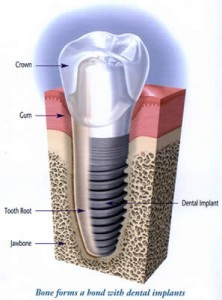
Dental implants are one of the most advanced and effective ways to replace a missing tooth. Unlike bridges or dentures, implants are a lasting solution for missing teeth because they are affixed directly to the patient's jaw.

What are Dental Implants and do they cause Sensitivities?

Dental implants are artificial roots that are made from a bio-compatible metal. Titanium is the usual choice for the implant because it is one of the metals that is least likely to trigger an immune response or cause side effects. However, some implants are made from other materials.

Types of Implants

Implants come in many forms. Endosteal implants are affixed directly to the jaw bone. Because these are the most secure form of implants, they are the most often used. These endosteal implants come in root form or plate form. Root form implants are rounded rods that can be attached to the jaw bone. These implants are appropriate when the bone is dense enough to hold the implant. Plate form implants are thin and flat. These implants are best for thin areas of bone that are not appropriate sites from strengthening with bone grafts. In some cases, however, the implant cannot be placed in the bone, for example, when the bone height at the site is not sufficient to hold an implant. In this case, the dentist may elect to use a sub-periosteal implant. This implant sits on top of the bone, under the gums.

General Treatment Plan and Procedures

Your dentist will determine which type of implant to use during your preliminary consultation. He or she will take several x-rays to examine the jaw bone. The type of implant that your dentist chooses to use depends on the location of the implant, the height of the bone, and the width of the bone, among other factors.

Once the dentist has formed a treatment plan, they will schedule the surgery to place the implant. In some cases, they will have to place a bone graft before the implant can be affixed to the jaw. The implant strengthens the bone. After the implant is placed, the dentist will monitor the healing of the bone and tissues around the implant for three to six months to make sure that the area has healed completely and that the bone has healed around the implant.

After the dentist is certain that the bone and tissue have completely healed, he or she will place the abutment and the crown. This completes the process of placing a dental implant, and you can now enjoy your new, complete smile.

If you are interested in learning if dental implants are right for you, contact your dentist. If he or she does not have the qualifications to place dental implants, they can refer you to a dentist or Beverly Hills periodontist who is skilled with placing them.

Reading Time:

Monday, 5 November 2012

Essential Foods for Your Oral and Dental Health
November 05, 20121 Comments


Healthy teeth and a healthy mouth require more than just regular brushing and flossing. A beautiful smile begins with a healthy diet. Eating the right foods and drinking the right beverages can strengthen your teeth and help boost your oral health.

Vitamin C for your Gums

Vitamin C plays an important role in keeping the gums healthy because it helps to strengthen and maintain the collagen network in your gums. If you do not get enough vitamin C, this collagen network can break down, making the gums more vulnerable to the bacteria that can cause periodontal disease. In addition, vitamin C boosts immunity, which can prevent illness and infection. Aside from citrus fruits, foods that are rich in vitamin C include red and green peppers, guava, kiwi fruit, strawberries, Brussels sprouts, and sweet potatoes.

The Benefits of Calcium

Foods that are high in calcium also play a role in good oral health. Contrary to popular belief, calcium does not play a direct role in rebuilding the teeth; however, calcium is still important for oral health because it strengthens the jaw bone and other bones that are associated with the teeth and face. Milk, yoghurt and cheese are all good sources of calcium. Cheese may be an especially good choice because studies suggest that it helps balance the pH of the mouth and increases saliva production, which helps to inhibit the growth of harmful bacteria.

Crunchy Raw Fruits and Veggies Remove Harmful Bacteria 

In addition to the nutrients that you consume, you should consider the characteristics of the foods themselves. For example, crunchy, unprocessed foods such as celery, apples and lettuce can help clear away harmful bacteria from the mouth and cause your body to produce more saliva, which also plays a role in getting rid of bacteria in the mouth. Many of these foods are also high in vitamin A, which is important for the formation of tooth enamel before the teeth erupt.

Drinking plenty of water and green tea can also help maintain your oral health. Water helps to wash away food particles and bacteria that can contribute to the formation of plaque. In addition, some studies indicate that green tea is beneficial for oral health because it is a good source of polyphenols, an antioxidant that plays a role in preventing plaque from sticking to the teeth. Tap water and green tea made from tap water also may be good sources of fluoride, because many cities add fluoride to their public water supply. Fluoride strengthens tooth enamel and plays a role in preventing tooth decay.

Watching your diet provides many benefits for your health, including your oral health. Include a healthy portion of these foods in your daily diet. Eating right, as well as brushing and flossing regularly, will help ensure that you can enjoy your smile for years to come.
------------------------------------------------------------------------------------

About Author:
 Dr. Zadeh, cosmetic dentist in Beverly Hills, CA offers various dental treatments to address oral health issues and restore any damages to teeth and gums. This Beverly Hills dental implants specialist strives to educate his patients about the importance of oral health in their life.
Reading Time:

Monday, 15 October 2012

Periodontal Disease: Causes and Treatments
October 15, 2012 7 Comments

periodontitis
Description:  Gum disease can cause severe tooth loss and cause infectious pockets to develop in gum tissue.  Routine examinations and cleanings are recommended to contain periodontal disease.


Periodontal disease is an infection of the gums and is most commonly caused by plaque and tartar buildup. Although periodontal disease is highly preventable, most adults in the United States have some degree of periodontal disease. Gingivitis, the earliest stage, may appear as red or irritated gums. As the condition progresses, the infection drives deeper into the oral cavity and infects the jawbone and supporting structures of the teeth. Sensitive teeth, a receding gumline and tooth loss are all associated with periodontal disease.

Causes of Gum Disease

The human mouth is filled with oral bacteria. Many are harmless, but P. gingivalis and a few other species combine with saliva and food particles to form a biofilm called plaque. Plaque is colorless and sticky, and it must be removed by regular tooth brushing. When it is not removed, it can harden into tartar. Tartar cannot be removed with brushing and flossing alone; it requires a professional cleaning.

Inadequate dental hygiene is the cause of most cases of gum disease, but in some cases, genetics and other health or lifestyle factors can play a role in the development of periodontal disease. Medications that contribute to gingival overgrowth or that dry out the mouth can both increase an individual’s risk of developing gum disease. Diabetes and certain other health conditions are closely linked to periodontal disease. Smokers are more likely than nonsmokers to develop dental health problems, including gum disease.

Stages of Gum Disease

The earliest stage of gum disease is gingivitis. Gums may be red or swollen, and they are prone to bleeding when teeth are brushed or flossed. Gingivitis is not painful, and many with gingivitis are unaware of the condition until their dentist diagnoses them. At this stage of gum disease, the condition is highly treatable and generally reversible.

If not diagnosed and treated properly, gingivitis will progress to periodontitis. Periodontitis literally means inflammation around the tooth. Infection pockets develop around the base of the crown where the tooth meets the gums. The gums begin to pull away from the teeth as the infection progresses. Plaque and tartar can form in these pockets, which allow bacteria toxins to enter the blood stream. The infection causes connective tissues and bones to break down. Once the infection has progressed to this stage, tooth loss may be inevitable.

Treatments for Gum Disease

If you have been diagnosed with gum disease, your dentist or hygienist will need to determine the extent of the condition. You may need X-rays or other imaging tests to assess bone mass, and you may be referred to a Los Angeles periodontist, a dentist who specializes in treating periodontal disease.

Your dentist or periodontist will discuss your treatment options, which may include lifestyle changes. Improving dental hygiene, eating a nutritious diet and quitting smoking may all play a role in your recovery. Scaling and root planing may also be recommended. Scaling and root planing is essentially a deep cleaning for your teeth. Your dentist will remove all plaque and tartar from your teeth, paying particular attention to the area around the gumline. Antimicrobial rinses or treatments may be prescribed to help control the bacteria. In some cases, your dentist or periodontist may use antibiotic gels or oral medication to help your gums combat the infection and heal.

Advanced periodontal disease may require more extensive treatments. Surgery may be necessary to reduce the pockets around the teeth, or bone and other tissue grafts may be needed to restore your teeth’s supporting structures.

Keeping your teeth and gums healthy after periodontal treatment involves brushing after meals, flossing at least once a day and visiting your dentist or periodontist on your recommended schedule. Your dentist or periodontist may provide you with further instructions. Maintaining good dental hygiene after periodontal treatment can reduce the risk of its reoccurrence.


Resources:
Bijan Afar DDS, Los Angeles dentist, provides various periodontal treatments for individuals suffering from this disease and strives to help his patients maintain a healthy smile throughout their life.

Reading Time:

Wednesday, 3 October 2012

Overtraining: The Worst Addition to any Workout Program
October 03, 2012 3 Comments

Are you overtraining? I will guess that your automatic answer will be 'No' but did you even think about the answer before you said it? Overtraining actually affects far more people than is generally realized. In fact, many people aren't getting the maximum benefit from their workout programs because of regular states of semi-overtraining.

Why does this happen?

Overtraining Basics

First of all there are no clear cut boundaries or rules for overtraining. It's not like you can say, "Oh I worked out 5 times this week for a total of 10 hours therefore based on my bodyweight and age I am not overtrained. It is a direct result of everything that your body is currently dealing with along with workouts such as stress, sleep, food, and injury or sickness.

Generally speaking many of us try and do too much. We push as hard as we can and then hit a wall. This happens in many facets of life where we feel we can do anything with the right attitude and overcome any limitations. But in the case of overtraining, you can't.

When you get to a state where your body can't fully recover there is no mental 'pep talk' that you can give yourself to make it better. You body needs one thing and one thing only; rest. The recovery system has been overwhelmed and now can't catch up which creates a vicious cycle. Yes, you see videos of elite athletes pushing themselves continually and saying you have to 'want it' but what you don't see is the chef preparing their food, the 8 hours of sleep they get every night, or the post workout massage and protein shake they enjoy.

Your body needs rest and you can never get around that.

Let's Be Honest

Do you get enough rest? Per numerous studies the majority people either get too little sleep or not restful enough sleep. That means your body probably doesn't have the time to go through a proper rest and recuperation phase (which is also where muscle strength and growth gains come into play). Maybe it was a rough week at work or you had projects to do. Obviously you want to be healthy so you won't skip out on the gym; instead you skip out on some sleep and drink more coffee the next day.
But that only increases the problem.

Avoiding Overtraining


What is the easiest way to always avoid overtraining? Add an extra day of rest to your schedule each week. Many people get overly concerned that they will lose valuable gains in muscle and weight loss from taking a day off. But the body functions better and more efficiently when well rested compared to when stressed. Do you know how you feel after a great vacation where you have a few days of getting full nights of sleep? That is your body responding with a higher level of energy because of the rest.

So take that attitude about your weekly schedule. Give yourself an extra rest day and instead of filling up that time you would spend at the gym with chores give yourself a break. Go to bed earlier or relax and read a book.
Also pay plenty of attention to your diet. Proper fuel is always vital for a body to be able to recuperate and recover. If you train hard then you should expect to also rest hard and recover hard if you truly want the best results.
..............................................................................................................................................................

Visit us at Nutribomb Nutritional Supplements for bodybuilding information like, what are the best protein supplements to help you make the muscle gains you are looking for. You can also keep up with all of our latest posts on our google plus bodybuilding page.

Reading Time:
Get Sparkly, White Teeth: The Natural Way
October 03, 2012 11 Comments
What have Simon Cowell, Britney Spears and the Duchess of Cambridge all got in common? One answer would be that they are all the owners of beautiful, straight, dazzling white teeth. No doubt, their personal beauty budgets stretch to the best tooth-whitening products and practitioners out there, not to mention top-notch nutritionists to keep their smiles sparkling.

When someone’s public persona relies heavily on their physical appearance, they are certainly not going to hold back on the finances when it comes to showing off a perfect mouth.

Yet brighter teeth and a more attractive smile are available to us mere mortals too, and not just courtesy of our nearest dental practice. By employing some careful research into the effects that types of food and drink can have on the appearance of the teeth, mouth and gums; not to mention following good habits and rejecting damaging ones, everyone can enjoy noticeable results for very little cost or effort.

Here are just four suggestions to help get a brighter smile using natural methods.

A Clean Sweep

Hopefully, you should be doing this anyway, but one of the best ways to make sure that teeth stay as white as possible is by brushing them regularly – at least once in the morning and again last thing at night. Flossing every day will also help keep them in top condition.

Brushing your teeth not only removes food debris that has built up during the day, and plaque that has formed over night. It also keeps bacteria to a minimum and gives you a fresh-smelling mouth and tongue.

Visit the hygienist at your dental practice regularly. As often as you brush your teeth, you cannot do as thorough a job as the hygienist with their specialist instruments and professional pastes and brushes. They can also watch out for telltale signs of oral disease, such as bleeding gums, cracked teeth or mouth ulcers.

Lighten Up

The well-known saying goes that ‘we are what we eat’. This is absolutely true. Not just in terms of diet and weight management, but also in managing health conditions, increasing energy and even brightening teeth. It makes perfect sense. Consuming darker foods and drinks, such as red wine, tea, cola or liquorish will inevitably cause your teeth to stain as a result, unless you brush them soon afterwards.

Or, if you must drink dark beverages and cannot access a toothbrush straight away, try sipping drinks through a straw. That way, the liquid goes straight to the back of the throat, ensuring minimal contact with the teeth.
Another mortal enemy of white teeth is smoking - nicotine, tar and other toxic ingredients will stain your teeth a horrible yellow colour that can be impossible to shift without resorting to expensive cosmetic surgery such as veneers. There are numerous medical reasons why smoking is bad news for your body – this is just one more to consider when deciding whether or not to give it up.

Food For Thought

The previous tip looks at what you should avoid eating and drinking to avoid staining. However, plenty of foodstuffs actively help keep teeth looking shiny and bright. For example, many specialist whitening toothpastes out there purport to contain baking soda, and this is indeed an excellent whitening ingredient in any foods as well.

Another suggestion is to occasionally opt for tart foods, such as oranges, pineapples or apples. This helps making the mouth produce more saliva that then helps clean the teeth and wash away sugary residues.
Dairy products such as cheese or yoghurt are also beneficial, containing both calcium and lactic acid which may help protect teeth from decay. Finally, the abrasive action involved in eating foods such as carrots or celery can help clean particles of other food from teeth to keep them looking healthy and bright.

Please note, however, that none of these ideas are intended to replace a proper, traditional brushing regime involving toothbrush, paste, dental floss and mouthwash.

Colour Teeth Beautiful

Not so much a health tip as some wardrobe advice. Recent fashion trends in clothing and make up have been bright and colourful, which is something that can help make teeth appear more dazzling too.

Careful choice of the colours worn around the head or shoulders can brighten up the whole face, especially for older ladies and gentlemen. Go for pinks and plums rather than yellow-based hues. If these are not your favourite colours, use these shades sparingly and strategically by adding a scarf, tie or chunky necklace.

Ladies can also use blusher and lipstick to help make their teeth appear whiter. Medium coral shades, or light reds bring out the whiteness of teeth, whereas lighter or orangey shades can sometimes make teeth seem dull and yellow. Ask a salesperson’s advice when choosing a new colour.

Simon Cowell, eat your heart out! By following these tips, you can help your smile get brighter, without causing your pocket to get lighter. Give them a try today!
Reading Time: