Wellness Sultana //]]>

Tuesday, 18 December 2012

3 Ways to Rev Up your Counseling Career in 2012
December 18, 2012 5 Comments


Counseling is one of the most rewarding jobs. By helping others work through their issues and feel better about themselves, counselors can go home after work and feel great about their jobs. Maintaining one's mental health and reducing stress are becoming recognized as crucial component of a happy life, and more people are turning to counselors to help them work through these issues. Competition, however, can make it difficult for some counselors to attract the customer base they need to succeed. Here are three ways to rev up a counseling career in 2013.

Counselors Can Use Social Media

One of the best ways to reach out to potential patients is to form an online presence. The best way to accomplish this is to take advantage of social media. When looking for a counselor, people want to find someone who enjoys helping others; by using social media, counselors can demonstrate their love of helping by offering free advice online. By allowing anonymous questions and posting helpful answers, counselors can use social media to establish themselves as experts. When using the strategy, it will not be necessary to leave posts designed to draw clients. Instead, those looking for a counselor will look up contact information and take the initiative to schedule appointments.

Pay-Per-Click Advertising for Counselors

Another great way to reach out to potential customers is to use pay-per-click advertising. Using PPC advertising, counselors will only be charged when someone clicks on a link. Many people search the Internet for information about their symptoms before scheduling an appointment, so counselors can place ads targeting these keywords to attract those who are looking for help but they do not yet feel comfortable with scheduling an appointment. If these links point to a helpful landing page, many of these visitors may decide to take steps to schedule an appointment. Fortunately, PPC advertising can be done on a local basis, so counselors can ensure that their ads are only seen by those who live nearby. It is important to track the performance of ads over time and remove those which are performing poorly while investing more and those that perform well. Sophisticated analysis tools make this task simple and straightforward, and the time spent learning about PPC is well worth it.

Community Outreach

A common technique people in many industries have relied on the past is reaching out to the community. Car dealers, in particular, make sponsoring events a top priority, and many lawyers use this technique as well. Counselors are not allowed to use television and radio advertisements, so their options for getting their name out may be limited. These community outreach efforts, however, are a great way to interact with others and build a reputation. Fortunately, community outreach does not need to be expensive, and there are a number of ways to interact with attendees of a local event. Hiring a local masseuse and offering the massages as a way of relieving stress may be enough to send the message that one is concerned about helping others and improving the lives of those in the community. In addition, community outreach is fun; most who participate continue to do so in future years.

Over time, counselors build strong client bases that are enough to sustain their businesses. Building this initial client base, however, can be challenging, and new counselors may struggle more than those who have been practicing for years. By taking advantage of recent online trends, counselors can build their brand names and become important parts of their communities.
Featured images:

Tim Newberg is a career counselor and guest author at Best Masters in Counseling, where he contributed to the guide to The Top 10 Best Online Master's Programs in Counseling.
Reading Time:

Saturday, 8 December 2012

An Overview of Dental Implants
December 08, 2012 10 Comments

Dental implants are one of the most advanced and effective ways to replace a missing tooth. Unlike bridges or dentures, implants are a lasting solution for missing teeth because they are affixed directly to the patient's jaw.

What are Dental Implants and do they cause Sensitivities?

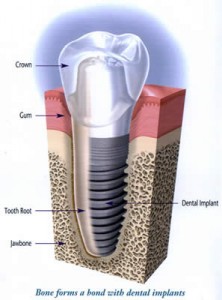
Dental implants are artificial roots that are made from a bio-compatible metal. Titanium is the usual choice for the implant because it is one of the metals that is least likely to trigger an immune response or cause side effects. However, some implants are made from other materials.

Types of Implants

Implants come in many forms. Endosteal implants are affixed directly to the jaw bone. Because these are the most secure form of implants, they are the most often used. These endosteal implants come in root form or plate form. Root form implants are rounded rods that can be attached to the jaw bone. These implants are appropriate when the bone is dense enough to hold the implant. Plate form implants are thin and flat. These implants are best for thin areas of bone that are not appropriate sites from strengthening with bone grafts. In some cases, however, the implant cannot be placed in the bone, for example, when the bone height at the site is not sufficient to hold an implant. In this case, the dentist may elect to use a sub-periosteal implant. This implant sits on top of the bone, under the gums.

General Treatment Plan and Procedures

Your dentist will determine which type of implant to use during your preliminary consultation. He or she will take several x-rays to examine the jaw bone. The type of implant that your dentist chooses to use depends on the location of the implant, the height of the bone, and the width of the bone, among other factors.

Once the dentist has formed a treatment plan, they will schedule the surgery to place the implant. In some cases, they will have to place a bone graft before the implant can be affixed to the jaw. The implant strengthens the bone. After the implant is placed, the dentist will monitor the healing of the bone and tissues around the implant for three to six months to make sure that the area has healed completely and that the bone has healed around the implant.

After the dentist is certain that the bone and tissue have completely healed, he or she will place the abutment and the crown. This completes the process of placing a dental implant, and you can now enjoy your new, complete smile.

If you are interested in learning if dental implants are right for you, contact your dentist. If he or she does not have the qualifications to place dental implants, they can refer you to a dentist or Beverly Hills periodontist who is skilled with placing them.

Reading Time:

Monday, 5 November 2012

Essential Foods for Your Oral and Dental Health
November 05, 20121 Comments


Healthy teeth and a healthy mouth require more than just regular brushing and flossing. A beautiful smile begins with a healthy diet. Eating the right foods and drinking the right beverages can strengthen your teeth and help boost your oral health.

Vitamin C for your Gums

Vitamin C plays an important role in keeping the gums healthy because it helps to strengthen and maintain the collagen network in your gums. If you do not get enough vitamin C, this collagen network can break down, making the gums more vulnerable to the bacteria that can cause periodontal disease. In addition, vitamin C boosts immunity, which can prevent illness and infection. Aside from citrus fruits, foods that are rich in vitamin C include red and green peppers, guava, kiwi fruit, strawberries, Brussels sprouts, and sweet potatoes.

The Benefits of Calcium

Foods that are high in calcium also play a role in good oral health. Contrary to popular belief, calcium does not play a direct role in rebuilding the teeth; however, calcium is still important for oral health because it strengthens the jaw bone and other bones that are associated with the teeth and face. Milk, yoghurt and cheese are all good sources of calcium. Cheese may be an especially good choice because studies suggest that it helps balance the pH of the mouth and increases saliva production, which helps to inhibit the growth of harmful bacteria.

Crunchy Raw Fruits and Veggies Remove Harmful Bacteria 

In addition to the nutrients that you consume, you should consider the characteristics of the foods themselves. For example, crunchy, unprocessed foods such as celery, apples and lettuce can help clear away harmful bacteria from the mouth and cause your body to produce more saliva, which also plays a role in getting rid of bacteria in the mouth. Many of these foods are also high in vitamin A, which is important for the formation of tooth enamel before the teeth erupt.

Drinking plenty of water and green tea can also help maintain your oral health. Water helps to wash away food particles and bacteria that can contribute to the formation of plaque. In addition, some studies indicate that green tea is beneficial for oral health because it is a good source of polyphenols, an antioxidant that plays a role in preventing plaque from sticking to the teeth. Tap water and green tea made from tap water also may be good sources of fluoride, because many cities add fluoride to their public water supply. Fluoride strengthens tooth enamel and plays a role in preventing tooth decay.

Watching your diet provides many benefits for your health, including your oral health. Include a healthy portion of these foods in your daily diet. Eating right, as well as brushing and flossing regularly, will help ensure that you can enjoy your smile for years to come.
------------------------------------------------------------------------------------

About Author:
 Dr. Zadeh, cosmetic dentist in Beverly Hills, CA offers various dental treatments to address oral health issues and restore any damages to teeth and gums. This Beverly Hills dental implants specialist strives to educate his patients about the importance of oral health in their life.
Reading Time:

Monday, 15 October 2012

Periodontal Disease: Causes and Treatments
October 15, 2012 7 Comments

periodontitis
Description:  Gum disease can cause severe tooth loss and cause infectious pockets to develop in gum tissue.  Routine examinations and cleanings are recommended to contain periodontal disease.


Periodontal disease is an infection of the gums and is most commonly caused by plaque and tartar buildup. Although periodontal disease is highly preventable, most adults in the United States have some degree of periodontal disease. Gingivitis, the earliest stage, may appear as red or irritated gums. As the condition progresses, the infection drives deeper into the oral cavity and infects the jawbone and supporting structures of the teeth. Sensitive teeth, a receding gumline and tooth loss are all associated with periodontal disease.

Causes of Gum Disease

The human mouth is filled with oral bacteria. Many are harmless, but P. gingivalis and a few other species combine with saliva and food particles to form a biofilm called plaque. Plaque is colorless and sticky, and it must be removed by regular tooth brushing. When it is not removed, it can harden into tartar. Tartar cannot be removed with brushing and flossing alone; it requires a professional cleaning.

Inadequate dental hygiene is the cause of most cases of gum disease, but in some cases, genetics and other health or lifestyle factors can play a role in the development of periodontal disease. Medications that contribute to gingival overgrowth or that dry out the mouth can both increase an individual’s risk of developing gum disease. Diabetes and certain other health conditions are closely linked to periodontal disease. Smokers are more likely than nonsmokers to develop dental health problems, including gum disease.

Stages of Gum Disease

The earliest stage of gum disease is gingivitis. Gums may be red or swollen, and they are prone to bleeding when teeth are brushed or flossed. Gingivitis is not painful, and many with gingivitis are unaware of the condition until their dentist diagnoses them. At this stage of gum disease, the condition is highly treatable and generally reversible.

If not diagnosed and treated properly, gingivitis will progress to periodontitis. Periodontitis literally means inflammation around the tooth. Infection pockets develop around the base of the crown where the tooth meets the gums. The gums begin to pull away from the teeth as the infection progresses. Plaque and tartar can form in these pockets, which allow bacteria toxins to enter the blood stream. The infection causes connective tissues and bones to break down. Once the infection has progressed to this stage, tooth loss may be inevitable.

Treatments for Gum Disease

If you have been diagnosed with gum disease, your dentist or hygienist will need to determine the extent of the condition. You may need X-rays or other imaging tests to assess bone mass, and you may be referred to a Los Angeles periodontist, a dentist who specializes in treating periodontal disease.

Your dentist or periodontist will discuss your treatment options, which may include lifestyle changes. Improving dental hygiene, eating a nutritious diet and quitting smoking may all play a role in your recovery. Scaling and root planing may also be recommended. Scaling and root planing is essentially a deep cleaning for your teeth. Your dentist will remove all plaque and tartar from your teeth, paying particular attention to the area around the gumline. Antimicrobial rinses or treatments may be prescribed to help control the bacteria. In some cases, your dentist or periodontist may use antibiotic gels or oral medication to help your gums combat the infection and heal.

Advanced periodontal disease may require more extensive treatments. Surgery may be necessary to reduce the pockets around the teeth, or bone and other tissue grafts may be needed to restore your teeth’s supporting structures.

Keeping your teeth and gums healthy after periodontal treatment involves brushing after meals, flossing at least once a day and visiting your dentist or periodontist on your recommended schedule. Your dentist or periodontist may provide you with further instructions. Maintaining good dental hygiene after periodontal treatment can reduce the risk of its reoccurrence.


Resources:
Bijan Afar DDS, Los Angeles dentist, provides various periodontal treatments for individuals suffering from this disease and strives to help his patients maintain a healthy smile throughout their life.

Reading Time:

Wednesday, 3 October 2012

Overtraining: The Worst Addition to any Workout Program
October 03, 2012 3 Comments

Are you overtraining? I will guess that your automatic answer will be 'No' but did you even think about the answer before you said it? Overtraining actually affects far more people than is generally realized. In fact, many people aren't getting the maximum benefit from their workout programs because of regular states of semi-overtraining.

Why does this happen?

Overtraining Basics

First of all there are no clear cut boundaries or rules for overtraining. It's not like you can say, "Oh I worked out 5 times this week for a total of 10 hours therefore based on my bodyweight and age I am not overtrained. It is a direct result of everything that your body is currently dealing with along with workouts such as stress, sleep, food, and injury or sickness.

Generally speaking many of us try and do too much. We push as hard as we can and then hit a wall. This happens in many facets of life where we feel we can do anything with the right attitude and overcome any limitations. But in the case of overtraining, you can't.

When you get to a state where your body can't fully recover there is no mental 'pep talk' that you can give yourself to make it better. You body needs one thing and one thing only; rest. The recovery system has been overwhelmed and now can't catch up which creates a vicious cycle. Yes, you see videos of elite athletes pushing themselves continually and saying you have to 'want it' but what you don't see is the chef preparing their food, the 8 hours of sleep they get every night, or the post workout massage and protein shake they enjoy.

Your body needs rest and you can never get around that.

Let's Be Honest

Do you get enough rest? Per numerous studies the majority people either get too little sleep or not restful enough sleep. That means your body probably doesn't have the time to go through a proper rest and recuperation phase (which is also where muscle strength and growth gains come into play). Maybe it was a rough week at work or you had projects to do. Obviously you want to be healthy so you won't skip out on the gym; instead you skip out on some sleep and drink more coffee the next day.
But that only increases the problem.

Avoiding Overtraining


What is the easiest way to always avoid overtraining? Add an extra day of rest to your schedule each week. Many people get overly concerned that they will lose valuable gains in muscle and weight loss from taking a day off. But the body functions better and more efficiently when well rested compared to when stressed. Do you know how you feel after a great vacation where you have a few days of getting full nights of sleep? That is your body responding with a higher level of energy because of the rest.

So take that attitude about your weekly schedule. Give yourself an extra rest day and instead of filling up that time you would spend at the gym with chores give yourself a break. Go to bed earlier or relax and read a book.
Also pay plenty of attention to your diet. Proper fuel is always vital for a body to be able to recuperate and recover. If you train hard then you should expect to also rest hard and recover hard if you truly want the best results.
..............................................................................................................................................................

Visit us at Nutribomb Nutritional Supplements for bodybuilding information like, what are the best protein supplements to help you make the muscle gains you are looking for. You can also keep up with all of our latest posts on our google plus bodybuilding page.

Reading Time:
Get Sparkly, White Teeth: The Natural Way
October 03, 2012 12 Comments
What have Simon Cowell, Britney Spears and the Duchess of Cambridge all got in common? One answer would be that they are all the owners of beautiful, straight, dazzling white teeth. No doubt, their personal beauty budgets stretch to the best tooth-whitening products and practitioners out there, not to mention top-notch nutritionists to keep their smiles sparkling.

When someone’s public persona relies heavily on their physical appearance, they are certainly not going to hold back on the finances when it comes to showing off a perfect mouth.

Yet brighter teeth and a more attractive smile are available to us mere mortals too, and not just courtesy of our nearest dental practice. By employing some careful research into the effects that types of food and drink can have on the appearance of the teeth, mouth and gums; not to mention following good habits and rejecting damaging ones, everyone can enjoy noticeable results for very little cost or effort.

Here are just four suggestions to help get a brighter smile using natural methods.

A Clean Sweep

Hopefully, you should be doing this anyway, but one of the best ways to make sure that teeth stay as white as possible is by brushing them regularly – at least once in the morning and again last thing at night. Flossing every day will also help keep them in top condition.

Brushing your teeth not only removes food debris that has built up during the day, and plaque that has formed over night. It also keeps bacteria to a minimum and gives you a fresh-smelling mouth and tongue.

Visit the hygienist at your dental practice regularly. As often as you brush your teeth, you cannot do as thorough a job as the hygienist with their specialist instruments and professional pastes and brushes. They can also watch out for telltale signs of oral disease, such as bleeding gums, cracked teeth or mouth ulcers.

Lighten Up

The well-known saying goes that ‘we are what we eat’. This is absolutely true. Not just in terms of diet and weight management, but also in managing health conditions, increasing energy and even brightening teeth. It makes perfect sense. Consuming darker foods and drinks, such as red wine, tea, cola or liquorish will inevitably cause your teeth to stain as a result, unless you brush them soon afterwards.

Or, if you must drink dark beverages and cannot access a toothbrush straight away, try sipping drinks through a straw. That way, the liquid goes straight to the back of the throat, ensuring minimal contact with the teeth.
Another mortal enemy of white teeth is smoking - nicotine, tar and other toxic ingredients will stain your teeth a horrible yellow colour that can be impossible to shift without resorting to expensive cosmetic surgery such as veneers. There are numerous medical reasons why smoking is bad news for your body – this is just one more to consider when deciding whether or not to give it up.

Food For Thought

The previous tip looks at what you should avoid eating and drinking to avoid staining. However, plenty of foodstuffs actively help keep teeth looking shiny and bright. For example, many specialist whitening toothpastes out there purport to contain baking soda, and this is indeed an excellent whitening ingredient in any foods as well.

Another suggestion is to occasionally opt for tart foods, such as oranges, pineapples or apples. This helps making the mouth produce more saliva that then helps clean the teeth and wash away sugary residues.
Dairy products such as cheese or yoghurt are also beneficial, containing both calcium and lactic acid which may help protect teeth from decay. Finally, the abrasive action involved in eating foods such as carrots or celery can help clean particles of other food from teeth to keep them looking healthy and bright.

Please note, however, that none of these ideas are intended to replace a proper, traditional brushing regime involving toothbrush, paste, dental floss and mouthwash.

Colour Teeth Beautiful

Not so much a health tip as some wardrobe advice. Recent fashion trends in clothing and make up have been bright and colourful, which is something that can help make teeth appear more dazzling too.

Careful choice of the colours worn around the head or shoulders can brighten up the whole face, especially for older ladies and gentlemen. Go for pinks and plums rather than yellow-based hues. If these are not your favourite colours, use these shades sparingly and strategically by adding a scarf, tie or chunky necklace.

Ladies can also use blusher and lipstick to help make their teeth appear whiter. Medium coral shades, or light reds bring out the whiteness of teeth, whereas lighter or orangey shades can sometimes make teeth seem dull and yellow. Ask a salesperson’s advice when choosing a new colour.

Simon Cowell, eat your heart out! By following these tips, you can help your smile get brighter, without causing your pocket to get lighter. Give them a try today!
Reading Time:

Friday, 21 September 2012

Importance of Healthy Teeth
September 21, 20120 Comments


Healthy teeth and a dazzling white smile are earmarks of youth and good health. Many people, however, focus on a white smile instead of their oral health. While a brilliant smile is important for looking and feeling good, it can mask a multitude of oral health problems, such as tooth decay, gum disease or even oral cancer. 

Oral Health is Linked to General Well-Being

Many people focus almost exclusively on their general health, such as by working out, watching what they eat and visiting their doctor for regular checkups. However, when you neglect your oral health, you are inviting disaster. Your oral health is inextricably linked to your overall well-being. For example, gum disease has been linked with serious problems such as heart attack, stroke, and diabetes. In addition, even a simple infection under the gums can create an abscess, or a pocket of infection that can lead to a more serious infection if the abscess bursts.
Each year, medical researchers are finding more links between common oral health problems and far-reaching issues with your overall health. If you do not take care of your oral health, your general health will suffer as well.

Dental Implants are no Substitute for your Natural Teeth

Healthy teeth are necessary to continue to lead a healthy life. While modern cosmetic dentistry treatments can remedy missing or damaged teeth, dental implants and other dental devices are just substitutes for your natural teeth. Healthy teeth help you have a healthy diet because you can enjoy a full range of healthy foods such as apples and corn-on-the-cob. It is very difficult to eat these foods with some kinds of dentures or dental devices because they can be damaged by hard foods, or because some foods become caught in the dental devices.
In addition, although the risk is small, dental surgery such as dental implants do carry risks, such as the risk of a bone or gum infection. As a result, these remedies should be used as a last resort for restoring a smile rather than as a substitute for good oral health.

Healthy Teeth gives an Attractive, Confident Appearance

Finally, maintaining healthy teeth and good oral health is important because healthy teeth help you have a more attractive appearance. While a white, dazzling smile does not always equal health, they often do go hand in hand. A brilliant white smile is the norm in today's society, and everyone from Hollywood actors to everyday people invests their time and money in maintaining a white and healthy smile. When your smile looks and feels healthy, you will have more confidence and a better self-esteem.

The best way to have a healthy smile is to maintain good oral health habits. Visit your dentist at least twice a year for regular checkups and cleanings. Brush twice a day for two minutes each time, and floss at least once a day. Avoid sugary foods and staining liquids as well to preserve healthy tooth enamel. 

Author Bio:
Farshid Ariz DDS, Northridge dentist, practices at Northridge Dental Group and provides a variety of cosmetic and restorative dental treatments for patients. 

Reading Time:

Thursday, 20 September 2012

The Five Essential Oils For Anti-Ageing
September 20, 20121 Comments


It seems you can’t open a magazine or newspaper without being confronted with the latest wonder cream or anti-ager, that’s supposed to be the newest and best way of targeting wrinkles and fighting the signs of getting older. Two or three months later, the same companies are then telling us that they’ve formulated something else that’s bigger and better that we all need to try. The cycle seems never ending. Aside from the hype, there is a much bigger consideration to take into account.

Chemicals in skincare

Most importantly is the amount of chemicals and unnecessary ingredients these products are packed with that not only can produce sensitivity or allergies in the user, but can also harm the environment too. Nature provides us with many wonderful essential oils, designed especially for use on the skin that really can help give a glowing, radiant and healthy complexion that puts some of the more expensive wonder creams to shame. Here are the top five.

Neroli Oil
Neroli Oil

Known as nature’s greatest skin leveller, this heavenly scented oil is an incredible calmer and soother for people who are of an anxious disposition and suffer from sensitive, dry or  even oilier skin that needs to be rebalanced and nourished. It’s a natural anti-bacterial oil, that can help with skin conditions such as acne or blemishes too. When smoothed onto a more wrinkle prone or prematurely aged skin, it is a wonderful plumper and rehydrater that minimises the appearance any lines.

Seabuckthorn
Seabuckthorn Oil

A little known but wonderful essential oil. Very often, natural skin serums on the market will combine this with Rosehip oil for a powerful anti-ageing kick. Either alone, or in combination with other ingredients Seabuckthorn oil is crammed full of anti-oxidants like vitamin C, which really help with skin issues like eczema, severe dryness and irritation. Using something like this is a great line and wrinkle preventer, simply because of all the anti-oxidants combined with skin nourishing moisture.  

Argan Oil

This is an oil that’s been used for many centuries, but that has only caught on as a popular anti-ager on the mass market in recent years. It is very often recommended as a natural treatment for acne, whilst also being incredibly effective on deep lines and wrinkles and more often than not, works surprisingly well when applied very sparingly under the eyes, as a natural skin softener that really targets the look of crow’s feet, dark circles and under eye bags.

Carrot Oil

Again, another relatively new essential oil to the mass market in terms of both knowledge and efficacy. Carrot oil is rich in beta-carotene and a whole host of vitamins and minerals that when applied topically can give a real boost to tired and lacklustre skin. An oil like this will give a rested and refreshed look, that makes it seem as if a regular eight hours has been had all the time (when sometimes this is anything but true). This is also an exceptional treatment for anyone suffering from psoriasis or eczema because of it’s naturally calming properties.

Rose oil
Rose Oil

This is a wonderfully uplifting, yet relaxing oil to use. It’s rich enough to be used as a moisturiser purely on it’s own such are it’s potent qualities. The most common extraction of Rose Oil used in skincare is Rosa Damascena, known for it’s ability to plump and smooth the skin. This is the most ideal oil for use in skincare for anyone who is looking to quit smoking using essential oils and perhaps is confused about how to take chantix or any of the other smoking cessation drugs on the current market. As it is such a potent moisturiser, the look and feel of the typical lines caused by heavy smoking will be gradually blurred and diminished over time to reveal a much softer complexion.

Using essential oils in skincare

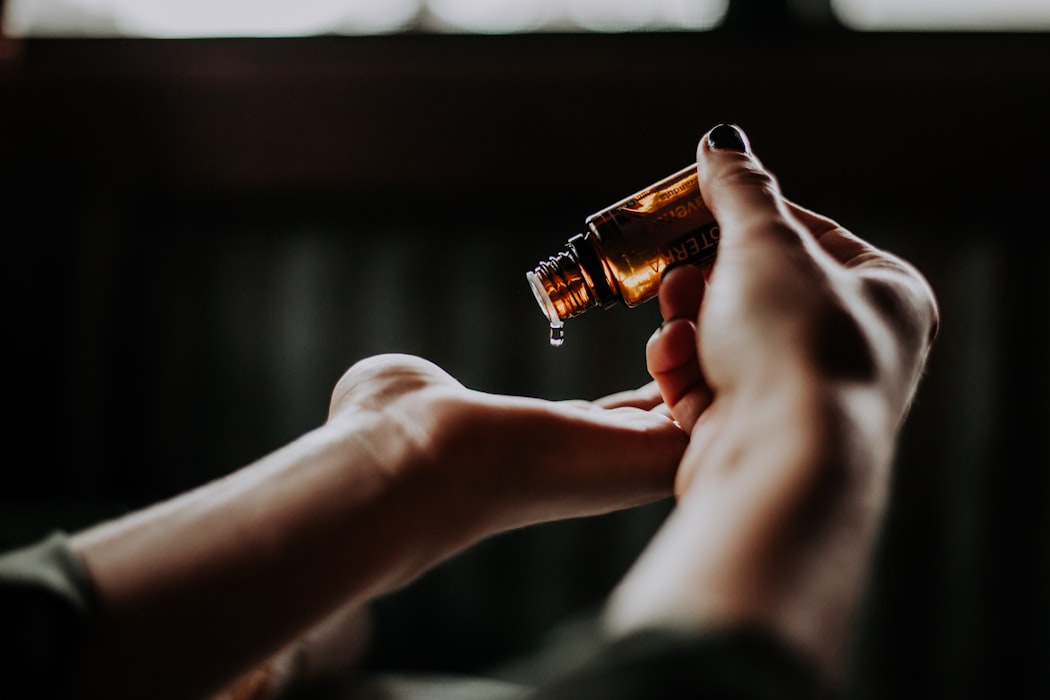
It’s very important to remember that to get the best of any essential oils being used in skincare that they’re applied correctly. Most essential oils need to be blended with carrying oil (which is usually lighter and less expensive) so that they can be applied safely. Good examples of carrier oils are apricot oil, almond oil or jojoba oil. To make an oil blend for the skin, you will need to take around three to five drops of the essential oil of your choice and mix it with around fifteen millilitres of the carrier oil and store it in a sterile bottle with a dropper. Have fun experimenting until you find a blend that best suits your skin’s needs.

Reading Time:

Wednesday, 5 September 2012

5 Steps to a Great Workout Playlist
September 05, 20120 Comments
Step One - Choose The Perfect Song That You Can Play While You Warm-up

Before choosing a great workout play list, you should think a little about your workout routine. Since most people start their exercise regimen with warm up exercises, the first song on your workout play list should be a song that is slow and gradually gets faster. By choosing a song that gradually gets faster, you will have an easier time warming up your body and getting your heart to beat faster.


Step Two - Start Selecting Songs That You Like

After you have selected a song that you will use to start your routine, you have to start choosing songs that will motivate you to do your best. Before adding any songs to your play list, think about what songs will work best at helping you get through your entire workout routine. Since everyone has his or her own personal routine, you need to take the type of exercises you do and the length of your routine into consideration.

Step Three - Select Songs That Compliment The Type of Exercises You Like Doing

After you have compiled the songs that you like, then it is time to start narrowing down your song choices and selecting songs that compliment the types of exercises you will be doing. Whether you start your workout with aerobics, on the treadmill or you prefer to give your muscles a workout, you should choose songs that are upbeat and will help you get through your entire routine.


Step Four - Calculate How Many Minutes of Music You Have

After you have narrowed down your list, you want to estimate how long your play list is. If you workout for an hour, you will need one hour worth of music. If your play list is too short, you will need to go back and add some additional music to your play list. Once you are done, you want to choose a song that you can add to the end of your play list that is perfect for bringing your heart rate down.

Step Five - Put Your Play List to the Test The Next Time You Workout

After you have compiled all the songs you think are perfect for your routine, the fifth and final step is to put your play list to the test and play it the next time you workout. After completing your workout, you will know whether you need to make any additional modifications to make your play list better.


This article was written by CompressionStocking.co, the world leader in support stockings.

Reading Time: